Tracked shipping to Austria with premium packaging for just 3,99 € 

Ship to
Austria
0
  • argentina
  • chile
  • colombia
  • españa
  • méxico
  • perú
  • estados unidos
  • internacional

Select your country

Americas

Europe

Rest of the world

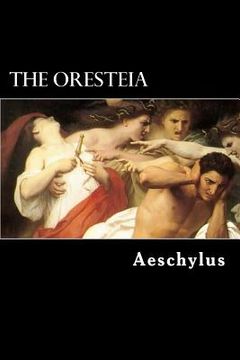
portada The Oresteia: The Agamemnon, The Libation-Bearers and The Furies
Type
Physical Book
Translated by
Publisher
Language
English
Pages
198
Format
Paperback
Dimensions
22.9 x 15.2 x 1.1 cm
Weight
0.27 kg.
ISBN13
9781482315424

The Oresteia: The Agamemnon, The Libation-Bearers and The Furies

Aeschylus (Author) · E. D. a. Morshead (Translated by) · Createspace · Paperback

The Oresteia: The Agamemnon, The Libation-Bearers and The Furies - Morshead, E. D. a. ; Aeschylus

New Book Imported to Austria
Delivery: 17 Aug - 24 Aug Shipping: 16 to 20 business days.
21,12 €
Import costs and 10% VAT included in the price ✅
21,12 €

Synopsis "The Oresteia: The Agamemnon, The Libation-Bearers and The Furies"

The Oresteia is a trilogy of Greek tragedies written by Aeschylus which concerns the end of the curse on the House of Atreus. When originally performed it was accompanied by Proteus, a satyr play that would have been performed following the trilogy; it has not survived. The term "Oresteia" may have originally referred to all four plays, but today is generally used to designate only the surviving trilogy. The only surviving example of a trilogy of ancient Greek plays, the Oresteia was originally performed at the Dionysia festival in Athens in 458 BC, where it won first prize. A principal theme of the trilogy is the shift from the practice of personal vendetta to a system of litigation. The name derives from the character Orestes, who sets out to avenge his father after his mother's affair with Aegisthus. Aeschylus (circa 525 BC - 455 BC) was the first of the three ancient Greek tragedians whose plays can still be read or performed, the others being Sophocles and Euripides. He is often described as the father of tragedy: our knowledge of the genre begins with his work and our understanding of earlier tragedies is largely based on inferences from his surviving plays. According to Aristotle, he expanded the number of characters in plays to allow for conflict amongst them, whereas previously characters had interacted only with the chorus. Only seven of his estimated seventy to ninety plays have survived into modern times.

Customers reviews

Frequently Asked Questions about the Book

All books in our catalog are Original.
The book is written in English.
The binding of this edition is Paperback.

Questions and Answers about the Book

Do you have a question about the book? Login to be able to add your own question.

Opinions about Bookdelivery

More customer reviews