Hallo! Tracked shipping to Austria with Delivery Duty Paid for just €3.99  

Ship to
Austria
0
  • argentina
  • chile
  • colombia
  • españa
  • méxico
  • perú
  • estados unidos
  • internacional

Select your country

Americas

Europe

Rest of the world

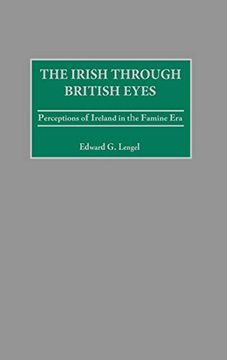
portada The Irish Through British Eyes: Perceptions of Ireland in the Famine era
Type
Physical Book
Publisher
Year
2002
Language
English
Pages
200
Format
Hardcover
ISBN
0275976343
ISBN13
9780275976347

The Irish Through British Eyes: Perceptions of Ireland in the Famine era

Edward Lengel; Edward G. Lengel (Author) · Praeger · Hardcover

The Irish Through British Eyes: Perceptions of Ireland in the Famine era - Edward Lengel; Edward G. Lengel

New Book Imported to Austria
Delivery: 14 Aug - 18 Aug Shipping: 4 to 5 business days.
130,47 €
Import costs and 10% VAT included in the price ✅
130,47 €

Synopsis "The Irish Through British Eyes: Perceptions of Ireland in the Famine era "

The mainstream British attitude toward the Irish in the first half of the 1840s was based upon the belief in Irish improvability. Most educated British rejected any notion of Irish racial inferiority and insisted that under middle-class British tutelage the Irish would in time reach a standard of civilization approaching that of Britain. However, the potato famine of 1846-1852, which coincided with a number of external and domestic crises that appeared to threaten the stability of Great Britain, led a large portion of the British public to question the optimistic liberal attitude toward the Irish. Rhetoric concerning the relationship between the two peoples would change dramatically as a result.Prior to the famine, the perceived need to maintain the Anglo-Irish union, and the subservience of the Irish, was resolved by resort to a gendered rhetoric of marriage. Many British writers accordingly portrayed the union as a natural, necessary and complementary bond between male and female, maintaining the appearance if not the substance of a partnership of equals. With the coming of the famine, the unwillingness of the British government and public to make the sacrifices necessary, not only to feed the Irish but to regenerate their island, was justified by assertions of Irish irredeemability and racial inferiority. By the 1850s, Ireland increasingly appeared not as a member of the British family of nations in need of uplifting, but as a colony whose people were incompatible with the British and needed to be kept in place by force of arms.

Customers reviews

Frequently Asked Questions about the Book

All books in our catalog are Original.
The book is written in English.
The binding of this edition is Hardcover.

Questions and Answers about the Book

Do you have a question about the book? Login to be able to add your own question.

Opinions about Bookdelivery

More customer reviews