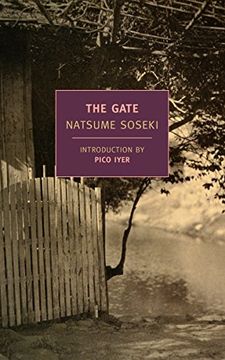
Synopsis "The Gate (New York Review Books Classics) "
An NYRB Classics OriginalA humble clerk and his loving wife scrape out a quiet existence on the margins of Tokyo. Resigned, following years of exile and misfortune, to the bitter consequences of having married without their families’ consent, and unable to have children of their own, Sōsuke and Oyone find the delicate equilibrium of their household upset by a new obligation to meet the educational expenses of Sōsuke’s brash younger brother. While an unlikely new friendship appears to offer a way out of this bind, it also soon threatens to dredge up a past that could once again force them to flee the capital. Desperate and torn, Sōsuke finally resolves to travel to a remote Zen mountain monastery to see if perhaps there, through meditation, he can find a way out of his predicament. This moving and deceptively simple story, a melancholy tale shot through with glimmers of joy, beauty, and gentle wit, is an understated masterpiece by one of Japan’s greatest writers. At the end of his life, Natsume Sōseki declared The Gate, originally published in 1910, to be his favorite among all his novels. This new translation captures the oblique grace of the original while correcting numerous errors and omissions that marred the first English version.
(1867-1916) Nació en Tokio. Tras realizar los estudios universitarios, ejerció como profesor en varias ciudades de su país. Amplió estudios en Londres y en 1903 le fue confiada la cátedra de literatura inglesa en la Universidad Imperial de la capital japonesa. En 1907 renunció a la enseñanza universitaria para dedicarse exclusivamente a la producción literaria. Hechicero de la prosa japonesa e iniciador de un nuevo estilo de novela, es una figura emblemática de la literatura japonesa moderna e iniciador de una corriente literaria que continuaron ilustres escritores de diversas escuelas más próximas a nuestros días. El trasfondo ideológico de sus obras ha suscitado el interés de estudiosos japoneses y extranjeros. La armonía de su exquisito lirismo y su perspicaz análisis de la realidad humana han tenido siempre un peculiar atractivo para el público japonés. Soseki es la encarnación de una época de transición violenta, donde el orden de los valores tradicionales choca con el de los modernos valores occidentales cuya fuerza es imaparable. Entre sus obras se encuentran ensayos, poesías y, sobre todo, novelas. Son especialmente representativas, además de «Yo, el gato», «Botchan» («El joven mimado»), «Gubijinso» («Amapola»), «Sanshiro», «Kusamokura» («La almohada de hierba»), «Kokoro» («Corazón»), «Sorekara» («Después»), «Tabibito» («El caminante»), «Mon» («La puerta») y «Meian» («Claroscuro»), que dejó incompleta en noviembre de 1916, poco antes de su muerte.