Hallo! Tracked shipping to Austria with Delivery Duty Paid for just €3.99  

Ship to
Austria
0
  • argentina
  • chile
  • colombia
  • españa
  • méxico
  • perú
  • estados unidos
  • internacional

Select your country

Americas

Europe

Rest of the world

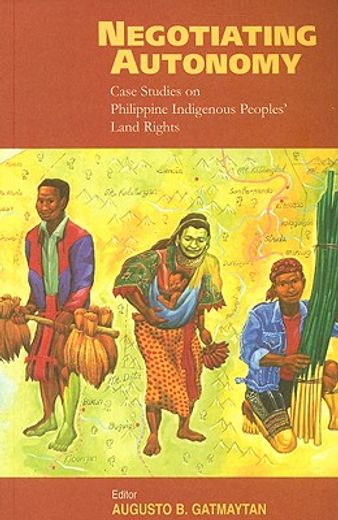
portada Negotiating Autonomy: Case Studies on Philippine Indigenous Peoples' Land Rights
Negotiating Autonomy: Case Studies on Philippine Indigenous Peoples' Land RightsNegotiating Autonomy: Case Studies on Philippine Indigenous Peoples' Land RightsNegotiating Autonomy: Case Studies on Philippine Indigenous Peoples' Land Rights
Type
Physical Book
Language
English
Pages
236
Format
Paperback
Dimensions
22.6x15x1.3 cm
Weight
0.34 kg.
ISBN
8791563224
ISBN13
9788791563225

Negotiating Autonomy: Case Studies on Philippine Indigenous Peoples' Land Rights

Gatmaytan, Augusto (Author) · International Work Group for Indigenous Affai · Paperback

Negotiating Autonomy: Case Studies on Philippine Indigenous Peoples' Land Rights - Gatmaytan, Augusto

New Book Imported to Austria
Delivery: 09 Oct - 13 Oct Shipping: 4 to 5 business days.
71,86 €
Import costs and 10% VAT included in the price ✅
71,86 €

Synopsis "Negotiating Autonomy: Case Studies on Philippine Indigenous Peoples' Land Rights"

This Book is based on some of the presentations made at the 2005 National Conference on Indigenous Peoples' Land Rights held in Quezon City, the Philippines. At its core are four case studies of different indigenous groups from various parts of the country; the Kankana-ey and Bago of the northern Cordilleras, the Buhid Mangyans of Mindoro, and the Subanon and Matigsalug of Mindanao. Each one describes an indigenous group's experiences, as it seeks to protect its lands and resources from external threats using, among others, the ancestral domain titling procedures of the Indigenous Peoples Rights Act (IPRA) of 1997. This law was promulgated as the Philippine state's response to decades of advocacy, activism and armed struggle by indigenous communities and their support groups. Together, the case studies allow the reader to explore the strengths and weaknesses of the IPRA, as communities located in differing historical, cultural and political contexts strive to negotiate the terms of their coexistence with other actors. The book thus contributes to the timely and much-needed assessment of the IPRA ten years after its promulgation, and serves as a starting point for discussions on indigenous peoples' rights vis-a-vis the state in the Philippines, and in Southeast Asia.

Customers reviews

Frequently Asked Questions about the Book

All books in our catalog are Original.
The book is written in English.
The binding of this edition is Paperback.

Questions and Answers about the Book

Do you have a question about the book? Login to be able to add your own question.

Opinions about Bookdelivery

More customer reviews