Tracked shipping to Austria with premium packaging for just 3,99 € 

Ship to
Austria
0
  • argentina
  • chile
  • colombia
  • españa
  • méxico
  • perú
  • estados unidos
  • internacional

Select your country

Americas

Europe

Rest of the world

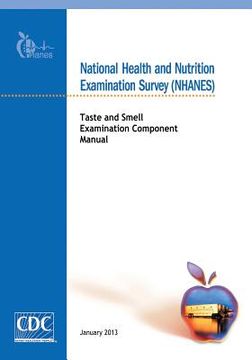
portada National Health and Nutrition Examination Survey (NHANES): Taste and Smell Examination Component Manual
Type
Physical Book
Publisher
Language
English
Pages
102
Format
Paperback
Dimensions
25.4 x 17.8 x 0.5 cm
Weight
0.19 kg.
ISBN13
9781499265859

National Health and Nutrition Examination Survey (NHANES): Taste and Smell Examination Component Manual

Centers for Disease Cont And Prevention (Author) · Createspace · Paperback

National Health and Nutrition Examination Survey (NHANES): Taste and Smell Examination Component Manual - And Prevention, Centers for Disease Cont

New Book Imported to Austria
Delivery: 18 Aug - 25 Aug Shipping: 16 to 20 business days.
27,28 €
Import costs and 10% VAT included in the price ✅
27,28 €

Synopsis "National Health and Nutrition Examination Survey (NHANES): Taste and Smell Examination Component Manual"

The vast majority of people with smell and taste disorders have problems with smell, not taste. Smell plays the most important role in appreciating flavors in eating. Common "tastes" such as chocolate, coffee, strawberry, apple, peach, pizza, steak sauce, and chicken actually reflect smell-mediated sensations: odors from chewing food are released and propelled upwards towards the olfactory receptors via the posterior nasal pharynx. Taste buds, located mainly on the tongue surface, palate, and oropharynx, are primarily responsible for mediating sweet, sour, bitter, salty, and metallic sensations. The roles of the taste system include: (1) triggering digestive reflex systems that alter secretions of saliva, stomach acid, and pancreatic juices; (2) enhancing the feelings of pleasure and satiety when eating; and (3) enabling the determination of the quality of sampled foodstuffs and distinguishing nutrients, which usually taste "good" (e.g., sweet) from potential toxins, which usually taste "bad" (e.g., bitter). Although not usually appreciated, taste dysfunction can alter food choices and patterns of consumption, producing weight loss, malnutrition, and in some cases impaired immunity and even death. In someone who is hypertensive or diabetic, taste loss can lead to a dangerous tendency to overcompensate for the loss of a sense of taste by adding additional salt or sugar to the food.

Customers reviews

Frequently Asked Questions about the Book

All books in our catalog are Original.
The book is written in English.
The binding of this edition is Paperback.

Questions and Answers about the Book

Do you have a question about the book? Login to be able to add your own question.

Opinions about Bookdelivery

More customer reviews