Hallo! Tracked shipping to Austria with Delivery Duty Paid for just €3.99  

Ship to
Austria
0
  • argentina
  • chile
  • colombia
  • españa
  • méxico
  • perú
  • estados unidos
  • internacional

Select your country

Americas

Europe

Rest of the world

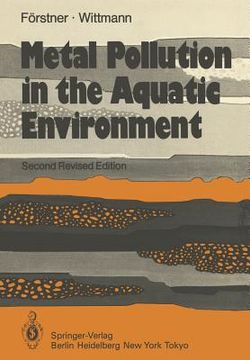
portada metal pollution in the aquatic environment
Type
Physical Book
Preface by
Contributions by
Publisher
Year
1983
Language
English
Pages
488
Format
Paperback
Dimensions
24.4 x 17.0 x 2.6 cm
Weight
0.81 kg.
ISBN
3540128565
ISBN13
9783540128564
Edition No.
0002

metal pollution in the aquatic environment

U. Förstner (Author) · E. D. Goldberg (Preface by) · F. Prosi (Contributions by) · Springer · Paperback

metal pollution in the aquatic environment - Goldberg, E. D. ; Förstner, U. ; Prosi, F.

Cheaper New Book Imported to Austria
Delivery: 03 Sep - 10 Sep Shipping: 12 to 16 business days.
124,77 €
Faster New Book Imported to Austria
Delivery: 21 Aug - 25 Aug Shipping: 4 to 5 business days.
161,51 €
Import costs and 10% VAT included in the price ✅
124,77 €

Synopsis "metal pollution in the aquatic environment"

Aquatic chemistry is becoming both a rewarding and substantial area of inquiry and is drawing many prominent scientists to its fold. Its literature has changed from a compilation of compositional tables to studies of the chemical reactions occurring within the aquatic environments. But more than this is the recognition that human society in part is determining the nature of aquatic systems. Since rivers deliver to the world ocean most of its dissolved and particulate components, the interactions of these two sets of waters determine the vitality of our coastal waters. This significant vol- ume provides not only an introduction to the dynamics of aquatic chem- istries but also identifies those materials that jeopardize the resources of both the marine and fluvial domains. Its very title provides its emphasis but clearly not its breadth in considering natural processes. The book will be of great value to those environmental scientists who are dedicated to keeping the resources of the hydrosphere renewable. As the size of the world population becomes larger in the near future and as the uses of materials and energy show parallel increases, the rivers and oceans must be considered as a resource to accept some of the wastes of society. The ability of these waters and the sediments below them to accommodate wastes must be assessed continually. The key questions relate to the capacities of aqueous systems to carry one or more pollutants.

Customers reviews

Frequently Asked Questions about the Book

All books in our catalog are Original.
The book is written in English.
The binding of this edition is Paperback.

Questions and Answers about the Book

Do you have a question about the book? Login to be able to add your own question.

Opinions about Bookdelivery

More customer reviews