Hallo! Tracked shipping to Austria with Delivery Duty Paid for just €3.99  

Ship to
Austria
0
  • argentina
  • chile
  • colombia
  • españa
  • méxico
  • perú
  • estados unidos
  • internacional

Select your country

Americas

Europe

Rest of the world

portada enlightenment aberrations: power and paradox in postwar industrial relations
Type
Physical Book
Year
2002
Language
English
Pages
280
Format
Hardcover
Dimensions
23.6 x 16.0 x 2.3 cm
Weight
0.57 kg.
ISBN
0801439450
ISBN13
9780801439452

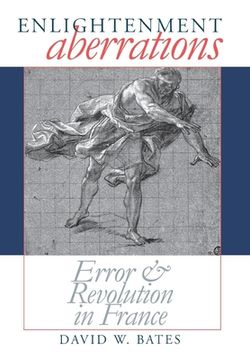
enlightenment aberrations: power and paradox in postwar industrial relations

David W. Bates (Author) · Cornell University Press · Hardcover

enlightenment aberrations: power and paradox in postwar industrial relations - Bates, David W.

New Book Imported to Austria
Delivery: 10 Sep - 17 Sep Shipping: 17 to 21 business days.
181,36 €
Import costs and 10% VAT included in the price ✅
181,36 €

Synopsis "enlightenment aberrations: power and paradox in postwar industrial relations"

In Enlightenment Aberrations, David W. Bates shows that error was a complex, important, and by no means entirely negative concept in Enlightenment thought, one that had a decisive influence in revolutionary debates on political identity and national history. What can it mean to write a history of error? In Bates's view all philosophy, insofar as its project is the search for truth, begins in error. If truth is posited as a goal to be attained, not as a given of some kind, then error assumes a central role in the quest for truth. Going beyond both liberal celebrations and postmodern critiques of Enlightenment reason, Bates reveals just how crucial the problematic relation between human "wandering" and the mystery of truth was in eighteenth-century thought. The author draws on a wide range of Enlightenment thinkers, including Etienne Bonnot de Condillac, Jean d'Alembert, Marie-Jean-Antoine-Nicolas Caritat, Marquis de Condorcet, Jean-Jacques Rousseau, and Charles Bonnet, showing how they wrestled with the "risk and promise" of error. He then demonstrates how the concept of error and its dialectical relationship to truth played out in the political culture of the French Revolution, particularly in the Terror. In the final chapters, Bates looks at the post-revolutionary transformations of the Enlightenment discourse of error and its subsequent history in modern European thought.

Customers reviews

Frequently Asked Questions about the Book

All books in our catalog are Original.
The book is written in English.
The binding of this edition is Hardcover.

Questions and Answers about the Book

Do you have a question about the book? Login to be able to add your own question.

Opinions about Bookdelivery

More customer reviews