Hallo! Tracked shipping to Austria with Delivery Duty Paid for just €3.99  

Ship to
Austria
0
  • argentina
  • chile
  • colombia
  • españa
  • méxico
  • perú
  • estados unidos
  • internacional

Select your country

Americas

Europe

Rest of the world

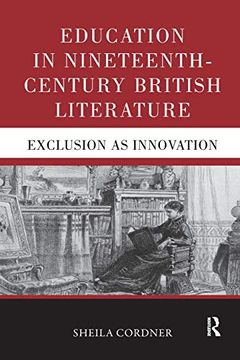
portada Education in Nineteenth-Century British Literature: Exclusion as Innovation
Type
Physical Book
Publisher
Year
2019
Language
English
Pages
160
Format
Paperback
ISBN13
9780367175757
Edition No.
1

Education in Nineteenth-Century British Literature: Exclusion as Innovation

Sheila Cordner (Author) · Routledge · Paperback

Education in Nineteenth-Century British Literature: Exclusion as Innovation - Sheila Cordner

Cheaper New Book Imported to Austria
Delivery: 26 Aug - 28 Aug Shipping: 14 to 15 business days.
86,36 €
Faster New Book Imported to Austria
Delivery: 13 Aug - 17 Aug Shipping: 5 to 6 business days.
99,91 €
Import costs and 10% VAT included in the price ✅
86,36 €

Synopsis "Education in Nineteenth-Century British Literature: Exclusion as Innovation "

Sheila Cordner traces a tradition of literary resistance to dominant pedagogies in nineteenth-century Britain, recovering an overlooked chapter in the history of thought about education. This book considers an influential group of writers - all excluded from Oxford and Cambridge because of their class or gender - who argue extensively for the value of learning outside of schools altogether. From just beyond the walls of elite universities, Jane Austen, Elizabeth Barrett Browning, Thomas Hardy, and George Gissing used their position as outsiders as well as their intimate knowledge of British universities through brothers, fathers, and friends, to satirize rote learning in schools for the working classes as well as the education offered by elite colleges. Cordner analyzes how predominant educational rhetoric, intended to celebrate England's progress while simultaneously controlling the spread of knowledge to the masses, gets recast not only by the four primary authors in this book but also by insiders of universities, who fault schools for their emphasis on memorization. Drawing upon working-men's club reports, student guides, educational pamphlets, and materials from the National Home Reading Union, as well as recent work on nineteenth-century theories of reading, Cordner unveils a broader cultural movement that embraced the freedom of learning on one's own.

Customers reviews

Frequently Asked Questions about the Book

All books in our catalog are Original.
The book is written in English.
The binding of this edition is Paperback.

Questions and Answers about the Book

Do you have a question about the book? Login to be able to add your own question.

Opinions about Bookdelivery

More customer reviews