Hallo! Tracked shipping to Austria with Delivery Duty Paid for just €3.99  

Ship to
Austria
0
  • argentina
  • chile
  • colombia
  • españa
  • méxico
  • perú
  • estados unidos
  • internacional

Select your country

Americas

Europe

Rest of the world

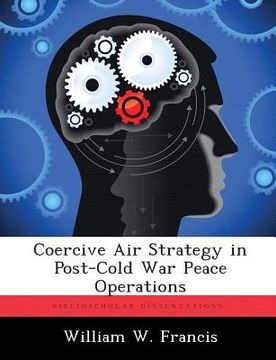
portada Coercive Air Strategy in Post-Cold War Peace Operations
Type
Physical Book
Publisher
Language
English
Pages
80
Format
Paperback
Dimensions
24.6x18.9x0.4 cm
Weight
0.16 kg.
ISBN13
9781286861127
Categories

Coercive Air Strategy in Post-Cold War Peace Operations

William W. Francis (Author) · Biblioscholar · Paperback

Coercive Air Strategy in Post-Cold War Peace Operations - Francis, William W.

Cheaper New Book Imported to Austria
Delivery: 23 Sep - 30 Sep Shipping: 17 to 21 business days.
34,55 €
Faster New Book Imported to Austria
Delivery: 16 Sep - 23 Sep Shipping: 12 to 16 business days.
38,92 €
Import costs and 10% VAT included in the price ✅
34,55 €

Synopsis "Coercive Air Strategy in Post-Cold War Peace Operations"

This paper analyzes coercive air strategy in Iraq and Bosnia to ascertain lessons and implications for coercive air strategy in twenty-first century peace operations. The analysis focuses on: Operations Provide Comfort/Northern Watch, Southern Watch, Desert Fox, Deny Flight, Deliberate Force, and Allied Force. The analysis and comparison of these operations and the factors affecting them reveal the following attributes of airpower in peace operations: 1) Airpower is highly effective in achieving tactical and operational objectives; 2) Airpower represents the lowest risk force application method; 3) Punishment is the coercive mechanism of airpower; and 4) Airpower technology, training, and experience drive common air tactics and strategy in very different situations. These attributes imply: 1) that the low-risk tactical and operational successes in Iraq and the Balkans will result in a dependence on airpower in future peace operations (Kosovo); 2) that airpower will be applied as punishment for non-compliant behavior in an attempt to convey the futility of further non-compliance; and 3) Air strategies and objectives will be similar to past peace operations regardless of the situation. Nevertheless, as this study will show, airpower can be an effective means of coercion in peace operations, but it cannot mandate compliance. The target of coercion determines the duration of the coercive air campaign. Thus, states employing airpower as the sole means of coercion in future peace operations should acknowledge indefinite commitments or be prepared to fall short of their original objectives.

Customers reviews

Frequently Asked Questions about the Book

All books in our catalog are Original.
The book is written in English.
The binding of this edition is Paperback.

Questions and Answers about the Book

Do you have a question about the book? Login to be able to add your own question.

Opinions about Bookdelivery

More customer reviews