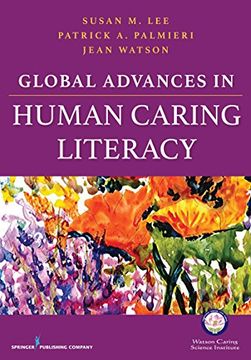
Synopsis "Global Advances in Human Caring Literacy "
This narrative-based work is the first to describe Human Caring Literacy from the perspective of caring scientists who "live the life" by incorporating the precepts of human caring into every aspect of their personal and professional lives. It demonstrates, for nursing students and experienced nurses in a variety of roles, the abundant ways in which Caring Science Theory powerfully informs the lives of frontline clinicians, nursing deans and faculty, APRNs, and administrators in the United States and globally.The book goes beyond theory to illustrate how Caring Science is used every day in a variety of arenas and scenarios, ranging from the advancement of the discipline of nursing in South America to peacemaking in the Middle East. It describes the methods that help practitioners develop mindfulness, reflection, authentic presence, intentionality, and a caring consciousness in the service of providing authentic, heart-centered care for patients, their families, and societies. Designed to cultivate loving-kindness behaviors in all settings, including among nurses themselves, these narratives provide welcome alternatives to current ways of being, both professional and personal. Provides Examples of Caring Science Theory as a Guide to: Advancing professional nursing practice in South AmericaTranscending politics and conflict in the Middle EastEvolving global caring consciousness through online educationDeveloping nursing leaders who are heart-centered and intentionalExploring relationships between caring and Ubuntu in South AfricaTeaching through simulation to promote humanistic practiceKey Features: Provides real examples of living the theoryDemonstrates the use of Caring Science in leadership, practice, research, the healing arts, education, and praxisIllustrates practices that develop mindfulness, reflection, authentic presence, intentionality, and a caring consciousnessProvides evidence of an evolving global caring consciousness on five continents
Jean Watson es una destacada teórica, académica y autora estadounidense de enfermería, reconocida internacionalmente por desarrollar la Teoría del Cuidado Humano. Nació el 10 de junio de 1940 en Welch, Virginia Occidental, Estados Unidos. Desde el comienzo de su carrera se interesó por la relación entre el cuidado, la salud y la experiencia humana.
Watson estudió enfermería y posteriormente obtuvo títulos de posgrado en enfermería y psicología educativa. En 1973 comenzó a trabajar en la Universidad de Colorado, donde desarrolló gran parte de su carrera académica y sus investigaciones sobre el cuidado en enfermería. En 1988 publicó Nursing: Human Science and Human Care, una de sus obras más importantes.
Su Teoría del Cuidado Humano sostiene que la enfermería no debe centrarse únicamente en la enfermedad o en los procedimientos médicos, sino también en la persona como un ser integral. Para Watson, la relación entre el profesional de enfermería y el paciente debe estar basada en la empatía, la dignidad, el respeto y la atención a las necesidades físicas, emocionales y espirituales.
Jean Watson ha recibido numerosos reconocimientos por sus contribuciones a la enfermería y ha escrito varios libros y artículos académicos. Su teoría continúa siendo estudiada y aplicada en instituciones de salud y programas universitarios de enfermería en diferentes países.